Premier Roofing & Exteriors for Residential
Selecting the Top Roofing Materials: Expert Insights From the Team at Premier Roofing & Exteriors
Choosing the right roofing materials can greatly affect a home's aesthetic appeal and durability. Premier Roofing & Exteriors showcases numerous options, including asphalt shingles, metal roofing, and clay tiles, each delivering unique benefits. Factors such as climate and architectural style serve a critical function in this selection. Recognizing the long-term value of quality materials is essential, yet many homeowners neglect key aspects that can impact their choices. What should they consider next?
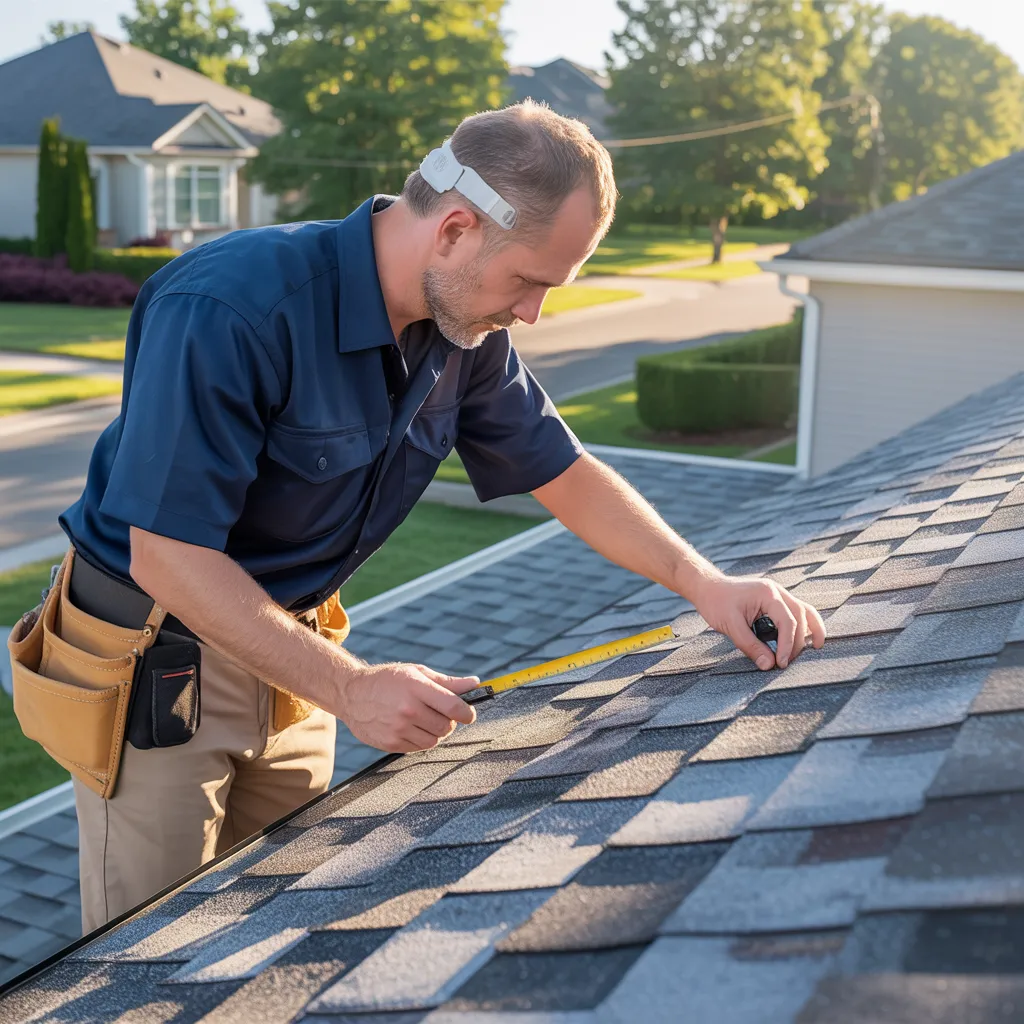
Understanding Different Roofing Materials
When choosing roofing materials, what factors should homeowners consider? Many choices exist, each with distinct characteristics, advantages, and drawbacks. Asphalt shingles are widely favored for their cost-effectiveness and straightforward installation, rendering them a go-to solution for a wide range of residential applications. Metal roofing, celebrated for its resilience and ability to reduce energy consumption, is ideal for those prioritizing extended lifespan and decreased cooling expenditures. Clay and concrete tiles provide visual charm and are capable of enduring diverse weather conditions, yet they are typically bulkier and higher in price. Wood shakes offer organic visual appeal but necessitate routine care to guard against rot. Homeowners must also consider local climate, architectural style, and budget constraints. In the end, the selection of roofing material should reflect individual tastes and functional requirements, maintaining an equilibrium between practicality and visual attractiveness while increasing the property's long-term value.
How to Determine Durability and Longevity
Examining long-term performance and durability in roofing materials is critical for homeowners looking to make a wise investment. To determine these factors, one should examine the material's capacity to endure environmental elements such as wind, rain, and hail. For instance, metal roofs frequently surpass asphalt shingles regarding longevity, commonly enduring over 50 years when properly maintained.
Another significant aspect is the manufacturer's guarantee, which can shed light on projected life expectancy and sturdiness. Homeowners should also examine the surrounding environmental conditions, as some materials tend to perform more effectively in specific environments. For example, clay tiles are capable of enduring severe temperature fluctuations, positioning them as an excellent option for regions with higher temperatures.
Additionally, seeking expert opinions and reviews can further aid in evaluating performance history. Ultimately, opting for materials that correspond with both area-specific needs and personal choices delivers a resilient roofing solution that defends homes for the foreseeable future.
Price vs. Worth in Roofing
Understanding the correlation between expense and worth in roofing materials is fundamental to reaching well-informed choices. Residents often deal with the difficulty of reconciling short-term expenditures with long-term gains. While cheaper materials may minimize initial costs, they may be deficient in durability and need more regular replacements, consequently elevating overall expenditures. In contrast, investing in higher-quality materials can yield significant savings over time through enhanced longevity and reduced maintenance needs.
Worth also includes elements like energy efficiency and aesthetic appeal. Roofs that offer better insulation can lower energy bills, delivering a return on investment that goes beyond the upfront cost. Moreover, a visually appealing roof can enhance a home's market value. Consequently, assessing roofing choices should go beyond price and take into account long-term benefits and possible savings. Ultimately, a thoughtful assessment of cost versus value will lead to more satisfactory roofing choices.
Picking the Ideal Roofing Style for Your Home's Architecture
How can homeowners guarantee their roofing style complements their home's architecture? Choosing the appropriate roofing style is essential for creating visual harmony and improving curb appeal. Homeowners ought to begin by evaluating their home's architectural style. As an example, a contemporary home typically complements flat or low-slope roofs, whereas classic styles such as Colonial or Victorian are enhanced by gable or hip roofs.
Moreover, the nearby surroundings plays an essential role. Houses in coastal regions might consider materials designed to resist salt and moisture, while those in colder climates may require roofs engineered to manage snow accumulation. Coordinating colors is also essential; a roof should harmonize with the exterior palette to produce a seamless visual effect. Consulting with architectural guidelines or professionals can provide valuable insights, confirming that the selected roofing design not only suits personal aesthetic choices but also respects the integrity of the home's architecture.
Maintenance Recommendations for Your Selected Roof Material
Proper maintenance of roofing materials is critical for maximizing their longevity and ensuring optimal functionality. Property owners should carry out regular inspections, optimally on a biannual basis, to identify possible problems such as deteriorated shingles or buildup of debris. Cleaning gutters and drainage outlets avoids water-related damage and supports effective drainage. For asphalt-based roofing, maintaining adequate ventilation can reduce excessive heat accumulation, which may cause deterioration. Metal roofs demand regular examinations for rust or loose fasteners, while ceramic roofing should be inspected for cracked tiles.
In addition, maintaining trimmed trees away from the roof minimizes the risk of falling branches and reduces moss or algae growth. Where required, swift repairs should be performed to keep minor issues from escalating. Lastly, engaging a professional for regular maintenance or inspection can deliver expert knowledge and confirm that the roofing material is kept in superior condition, boosting the home's overall value and safety.
Answers to Your Most Common Questions
How Do Various Roofing Materials Impact the Environment?
Various roofing materials carry distinct environmental consequences. Asphalt shingles add considerably to landfill accumulation, but metal roofs present a recyclable alternative. Green roofs deliver significant insulation properties, but their installation can be resource-intensive, highlighting the need for careful selection.
How Do Weather Conditions Impact Roofing Material Performance?
Weather Premier Roofing & Exteriors plays a significant role in roofing material durability and function. Extreme temperatures can cause expansion or contraction, and significant rain or snow accumulation can produce leaks. Strong winds can lift or deteriorate materials, reducing their durability and functional effectiveness with time.
Is It Possible to Install New Roofing Over Existing Materials?
That's correct, new roofing materials can be applied on top of existing ones, so long as the structure remains sound and local codes are in compliance. This technique can help save on time and overall costs, yet a comprehensive assessment remains vital to ensure lasting performance.
What Types of Warranties Are Commonly Available for Roofing Materials?
Common warranties for roofing materials include manufacturer-provided warranties, typically covering defects for 20 to 50 years, and contractor workmanship warranties, spanning from one to ten years, according to the contractor's terms, guaranteeing quality installation and reliable material performance.
How to Select a Trustworthy Roofing Contractor
To identify a reliable roofing professional, one should look into reviews, check licenses and insurance, obtain detailed estimates, and ensure clear communication. Word-of-mouth recommendations and checking past work can further build confidence in the contractor's skills.